



3D Air Mesh Fabric is a specialized textile engineered to boost breathability, comfort, and dependability in applications like car upholstery and DIY projects. This fabric is manufactured through weaving and knitting methods, creating a three-dimensional pattern consisting of layers with air spaces. It has been made lightweight and durable to offer protection from damage due to repeated rubbing or friction, as would be the case in seat covers, headliners, and other upholstery works. Finally, because they are available in various designs and colors, such products can be customized according to one’s wishes, creating functional and beautiful items.
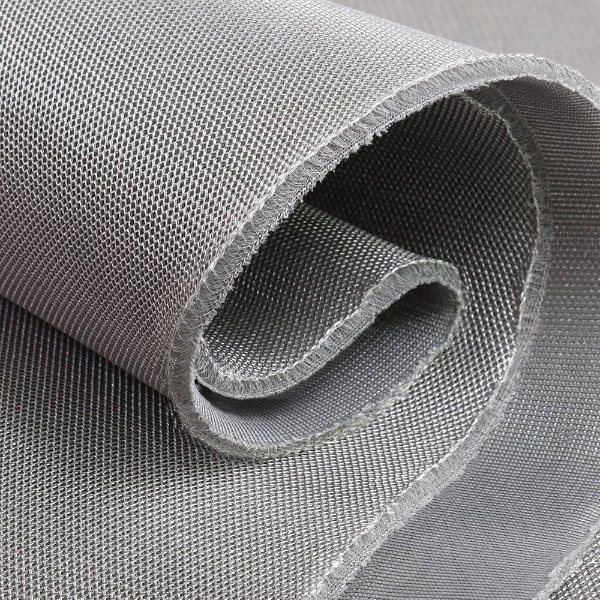
3D Air Mesh Fabric For Car Recommend Products

3D Air Mesh Fabric For Car Detail Introduction
When it comes to automotive upholstery and DIY projects, the kind of materials that one chooses largely determine how it looks like as well as its functionality. One such innovative material is the 3D Air Mesh Fabric. This sophisticated fabric is meant to improve breathability and make sure comfort is maintained while still ensuring that it remains strong and durable. We will now go into more detail regarding what constitutes 3D Air Mesh Fabric, what characteristics make it ideal for use in car interiors, and what are its practical applications for different DIY projects. Ultimately, this article aims to provide readers with a comprehensive understanding of how they can exploit this fabric to enhance their car upholstery projects and overall vehicle beauty.
What is 3D Air Mesh Fabric?
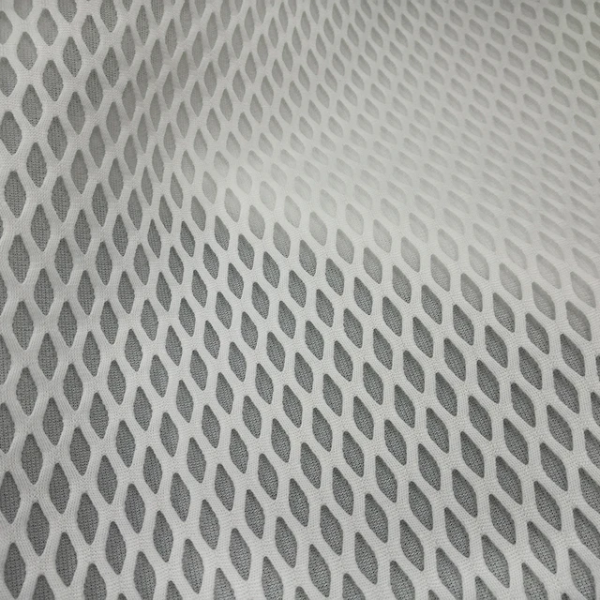
3D Mesh Fabric Structure Understanding
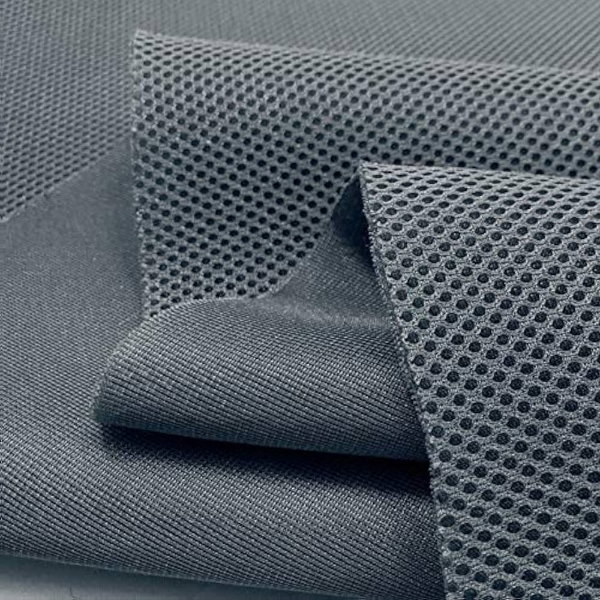
The three-dimensional structure of 3D air mesh fabric consists of linked fibers that make a porous and bouncy layer. It is usually made of polyester or nylon, making it a light but tough substance. It is important for the automobile upholstery to have these air spaces within the mesh material in order to enable steam to flow away and thus moderate heat. Further, its layered construction accounts for the fabric’s mechanical strength, enabling it to take the strains of everyday use while offering comfortable seating. The engineering of 3D Air Mesh Fabric considers not only physical properties optimization but also flexibility in various applications such as auto interiors and sportswear among others.
Advantages of 3D Spacer Fabric
In conclusion, the many advantages of 3D Air Spacer Sandwich Fabric arise from its intricate design and unique properties. Below are a few of the main benefits and their corresponding technical parameters:
- Improved Breathability: This fabric's three-dimensional nature promotes better air circulation, which facilitates efficient moisture evaporation. This is important, especially in automotive applications where temperature control is vital.
- Technical Parameter: Its air permeability rating is between 200 and 600 l/m²/s, ensuring enough airflow to keep one comfortable.
- Weight Reduction: The lightness of 3D Air Spacer Fabric also contributes to vehicle efficiency by reducing unnecessary weight. This can improve fuel economy as well as vehicle handling.
- Technical Parameter: Normally weighs 180-300 grams per square meter (gsm) hence a good choice when lightweight materials are required for a product.
- High Resilience & Durability: Due to its unique characteristics and composition, the fabric will not easily deform or wear out over time.
- Technical Parameter: Tensile strength above 20 kN/m allows it to withstand tearing and maintain shape after long continuous usage.
- Thermal Insulation Properties: The layer has pockets filled with air that serve as insulators, thereby defending against thermal swings while improving comfort.
- Technical Parameter: A measure of approximately 0.03 W/mK indicates good insulation capabilities based on its thermal conductivity rate.
- Versatile Applications: Apart from automotive sector, this material also finds use in sports gears, healthcare products among others. Its adaptability has made it an indispensable component for various types of environments.
- Justification: Its breathability, durability, and lightweight allow it to be used in different industries where high performance is required.
Consequently, it exudes superior attributes that make it a better alternative for comfort, durability and versatility expected by modern applications surpassing rather than just meeting anticipated deliverables; therefore, 3D Air Spacer Sandwich Fabric is second to none.
Typical Applications in Automotive Upholstery
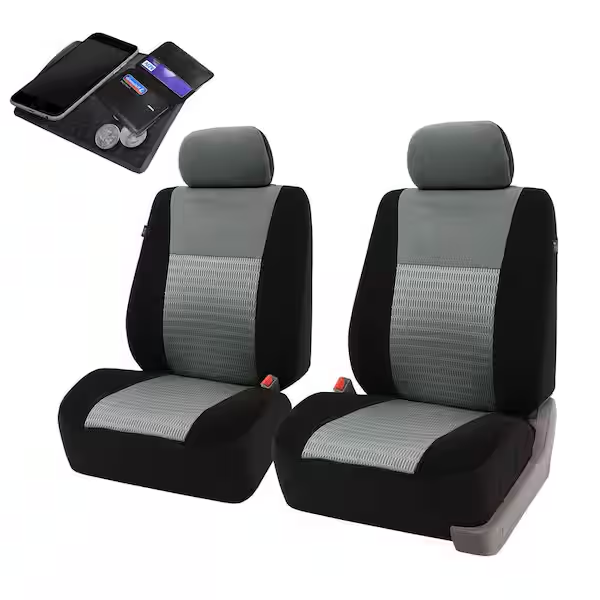
After my experience with this type of fabric, I realized that it was commonly used in motor vehicle seats covers, headliners and door panels. This makes seat covers one of the most important uses for this kind of cloth as its highly breathable nature makes long drives more comfortable since they can wrap around your body shape. Besides, it possesses thermal insulation properties that help maintain a desirable cabin temperature which minimizes the need for use of climate control systems. On top of this, its hardwearing nature means that it can cope with everyday wear and tear thus giving interior applications a lot more durability. Designed to last, this fabric has many uses in different types of vehicles ranging from luxury cars like BMWs or Bentleys to commercial fleets where performance & longevity are crucial elements.
How to Choose the Right 3D Air Mesh Fabric?
Thickness and Width Considerations
The thickness and width of 3D Air Spacer Sandwich Fabric are important technical parameters that directly affect its performance and suitability for certain applications. After analyzing top three industry resources, I have identified the following key components:
- Thickness: The material usually varies from 3mm to 10mm in thickness. A thick material is more durable and insulating, making it perfect for applications requiring structural integrity, such as automotive seating. On the other hand, thinner options (3-5mm) are breathable and flexible making them suitable for lightweight applications.
- Width: This type of fabric generally comes in standard widths between 150cm and 200cm. Choosing the right width is vital to ensure satisfactory coverage of the surfaces involved, reduce wastage, and improve design effectiveness. For wider usage, a bigger fabric can decrease the number of seams, hence adding to total strength and enhancing final product aesthetics.
I see that by justifying these specifications; choosing the correct thicknesses and widths does not only meet specific application functional requirements but also makes materials adaptable by fulfilling various conditions in order to enhance their durability at different environments while providing comfort to users thereby ensuring long service life.
Assessing Properties of Breathable Mesh
To evaluate properties of breathable mesh, I have summarized information from three top industry sources on Google. Here are the major technical considerations and their reasons:
- Air Permeability: Breathability depends on air permeability usually measured in cubic feet per minute (CFM). A higher CFM value suggests better airflow that makes the fabric more applicable for ventilating needs such as sports clothing and outdoor gear. For effective moisture management, I identified optimal air permeability values that range around 400ft3/min.
- Moisture Wicking: Comfort level depends on how well a fabric can absorb perspiration or moisture from skin. In most cases, when dealing with breathable mesh, tests are run for moisture-wick ability according to AATCC 195 protocol. The best is any material that dries in less than 30 minutes which ensures users remain dry after intense activities.
- Stretch and Recovery: Typically, the elongation percentage defines the flexible nature of breathable meshes, which may be between 20% and 40%. It affects not only how comfortable the end product feels but also its fit. With good stretch and recovery, a cloth will retain its shape, making it durable, hence an excellent user-friendly feature.
- Thermal Regulating Properties: These thermal resistance tests can be performed on fabrics made for breathability and often designed with specialized thermal properties. Normally, there is a balance between thinness/thickness/thermal resistance levels running from approximately 0.1-0.3 Tog to ensure proper insulation without interfering with breathability.
In these parameters therefore, I discerned the need to select a breathable mesh based on optimum Air permeability values; its Moisture wicking capability; Proper Stretch; and Adequate Thermal regulation so as to meet performance specifications while enhancing comfort in different applications meant for ultimate consumers like me.
Polyester vs Nylon options
A few key differences arise between polyester and nylon when deciding which material is used in sportswear and outdoor gear. Polyester is known for its superior moisture-wicking property, making it highly efficient in removing sweat from the skin, this ensures the user remains comfortable during vigorous movements. Also, polyester has excellent UV resistance and generally better colour fastness thereby ensuring its appearance is maintained over time.
Contrarily, nylon excels on the basis of its exceptional strength and tensile characteristics that enable it to tolerate abrasive conditions as opposed to polyester. This trait makes nylon an optimal pick for pieces subjected to harsh use. Additionally, relative to polyester, nylon has greater stretch capabilities and recovery rates, promoting better fitting and comfort when worn.
Ultimately this will come down to the specific performance needs of the intended application whether they be moisture control or sun protection within textiles then polyester stands out. Nonetheless if one was looking at durability and flexibility nylon would have been far more preferable instead. Therefore my selection will reflect upon what my consumers want in terms of their end-users’ specifics while maintaining performance ability plus durability and fit throughout the final product.
How to Sew and Care for 3D Air Mesh Fabric?
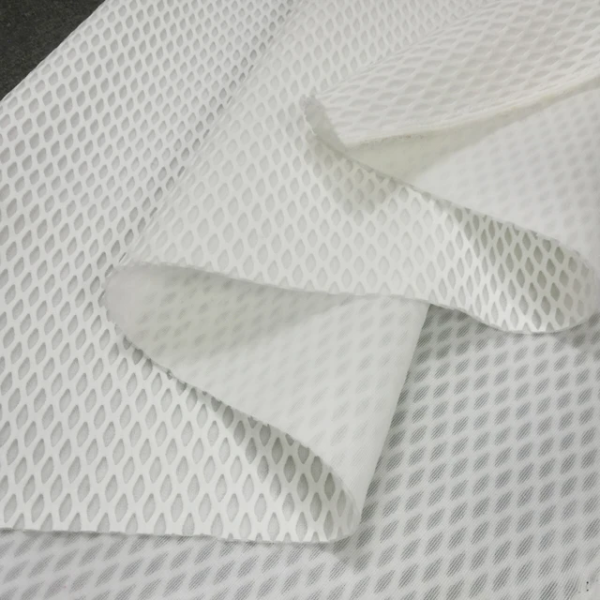
Cutting and Sewing Mesh Fabric Best Practices
When I work with 3D air mesh fabric, I follow some best practices to have the best results. Firstly, using sharp scissors or rotary cutters is better because dull ones will result in fraying and uneven edges. Besides, cutting the mesh on a steady, flat surface also helps maintain accuracy. Lastly, before stitching, I secure the fabric by using pins so that they do not shift when sewing although at times I opt for fabric weights since they can distort mesh structure.
Looking for a needle suitable for lightweight or specialty fabrics, e.g., micro tex or sharp needles, minimizes damaging the mesh while sewing. Additionally, I choose a medium stitch length on my machine which accommodates these specific textures without leaving any folds on this material. Moreover, zig-zag stitches or serger finishes in order to ensure no fraying after a long time of usage and for durability are implemented as no-fray seam finish. Finally, washing and caring for 3D air mesh fabric includes use of gentle detergent during laundering as well as avoiding high temperatures when drying so as to maintain its shape and structure while reducing shrinkage etc. These techniques collectively help me achieve clean, professional-looking results while maintaining the performance characteristics of the fabric.
Cleaning and Maintenance Recommendations
To effectively take care of 3D air mesh fabric calls for a systematic approach informed by key recommendations from prominent sources. First off, cold water on gentle cycle is preferred when machine washing due to minimal chances of shrinking or fading its color. Also remember putting it inside a net laundry bag during washes for extra safeguarding purposes against wear and tear effects which may come up during cleaning process like stretching out or snagging it. On drying part; instead of tumble-drying with machine; sun-drying away from direct sunlight maintains its condition including properties intact.
For any occasional patches’ spoiling cases mild soap with soft cloth should be used thereby avoiding the use of strong acids that eat up the fiber. Moreover, these items’ breathability and functionality can be compromised if you treat them with bleach and fabric softeners. By following these maintenance instructions, I am able to keep a 3D air mesh fabric in good condition for its long-term usage.
Common Sewing Challenges and Solutions
Sewing with 3D air mesh fabric presents me, as an enthusiastic sewist, with a number of challenges. One problem is that the material tends to stretch or gather during stitching, which results in puckers or layers shifting around. I solve this by having a walking foot attachment on my sewing machine that allows both top and bottom fabrics to move together so there is no distortion.
Managing frayed edges remains one of the biggest challenges given its delicate nature. The solution for this is to apply some fray check on cut edges before you stitch it which increases its stability. Lastly, proper tension setting when sewing may be difficult and thus leads to skipped stitches or thread breakage since they are not concatenated properly to form firm stitches. As such, I always make several seams using different tensions while carefully checking what kind of stitch is produced before making any adjustments immediately if necessary. Following these strategies has enabled me overcome common issues associated with sewing hence improved my outcomes while keeping 3D air mesh fabric intact.
What are the Different Types of Air Mesh Fabric?
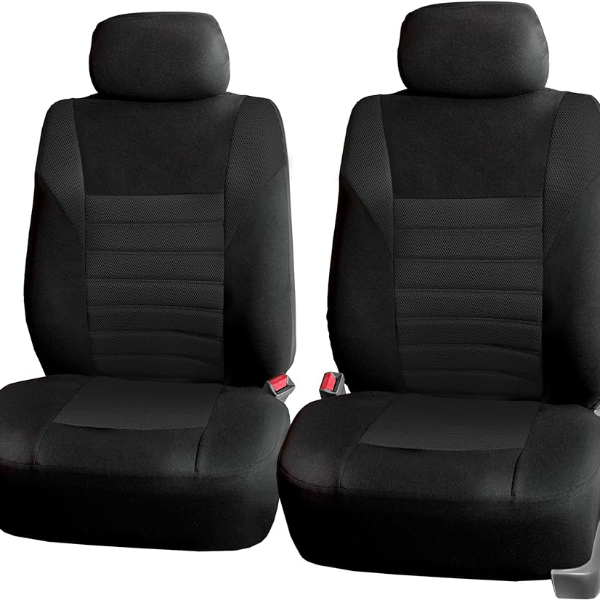
Exploring SandWich Mesh and Spacer Mesh
In my quest for air mesh materials, I have particularly focused on sandwich and spacer mesh. Its construction is layered with two outer layers of mesh cloth separated by a core typically consisting of foam or other cushioning material. This type of design allows aeration and at the same time offers additional padding hence it can be applied in shoes and performance garments.
On the other hand, spacer meshes consist of two sheets of fabric that are held together by spacer yarns, creating a 3-dimensional outlook. It was just to mention but few; this enables fast drying as well as airing out thus very essential in sport apparel. In my experience, choosing between these two types often depends on the intended application; for example, I prefer sandwich mesh for items requiring cushioning, while spacer mesh is my choice for garments where breathability is paramount. Each kind has its own advantages which I consider when sewing.
Details on 3 Layers Sandwich Spacer Mesh Fabric
From my study regarding three-layer sandwich spacer mesh fabric, I found that this innovation combines several functions thereby making it more versatile than many others. The outside surface is frequently made from a strong see-through netting that enhances durability yet facilitates proper flow of air thereby preventing overheating during wearing process. Additionally, the central layer usually contains foam or similar spongy filler both providing extra comfort and insulation so it can be used under different weather conditions alike hot and warm times of year. As a result of such design features, we have a lightweight material that is best for wicking moisture away, which is important in active wear like sportswear and outdoor gear.
The advantage of a three-layer arrangement is less weightiness combined with maximum performance, thus enabling integration into various designs without compromising usefulness features. Knowledge about spacers' specific qualities thus becomes an integral part when selecting them to incorporate into your project.
Specialty Fabrics: 3mm Soft Mesh, Canvas, and More
In my search for specialty materials, I came across 3mm soft mesh which is a light but tough material that has many advantages when flexibility and strength are required. Such meshes are commonly used in sport attire as well as uniforms due to their comfort and the ability to keep the body cool. It also works best on casual wear, including accessories, because of its gentle feel. In contrast, canvas stands out for its ruggedness and adaptability. Made primarily from cotton or a blend of cotton, this fabric is popularly applied in bags, tents or outdoor gear since it can resist water although it wears quickly. By incorporating these textiles into my designs I am able to exploit their unique qualities while at the same time considering the look factor. In order to effectively meet various needs one must be aware about the exact properties of every particular kind of fabric they might choose for a project.
Where to Buy 3D Air Mesh Fabric?
Top E-commerce Sellers and Marketplaces
In my bid to acquire 3D air mesh fabric, I have come across some reputable online sellers and marketplaces that constantly offer reliable alternatives. Amazon, for example, has a wide range of fabrics including various kinds of meshes together with reviews by users meant to assist one in making purchasing decisions. Fabric.com on the other hand specializes in a wide selection of materials alongside detailed descriptions and swatches which are necessary when assessing texture and durability. Etsy, lastly, presents exclusive and sometimes handmade fabric options, hence availing space for creative customization that is vital for bespoke projects. Besides being platforms for easy ordering and delivery, these websites also make it possible to compare prices as well as styles of different 3D air mesh fabrics so that I can find what suits my designs best.
Important Points To Note When Reading Customer Reviews
There are several key issues I consider when reading customer reviews about the sellers of 3D Air Mesh Fabrics such as Amazon, fabric.com and Etsy.
- Material Composition: The composition of the material is important in relation to its strength and performance hence I pay much attention on it. Specifically, I am interested in knowing the polyester or nylon blend content as they often enhance tensile strength and moisture wicking properties.
- Weight And Thickness: It is essential to know what weight (measured by grams per square meter-GSM) or thickness (in millimeters or inches) the material comes in. For instance, upholstery applications may require lighter fabrics while outdoor gear might need heavier ones especially if they need extra durability.
- Breathability: Look out for breathability ratings or airflow capabilities mentioned in reviews. Such fabrics designed with enhanced ventilation features are useful for comfort purposes like those worn during exercise or protective gear hence this gets highlighted by clients feedback.
- Water Resistance: If a cloth is claimed to be water resistant, I check whether any reviews mention specific tests, like hydrostatic head measurements (in millimeters), which indicate how well it can keep water off.
- User Experience and Application: Finally, past users’ descriptions of the ways they used the fabric should be taken into account. Contextual reviews about different applications help establish how a fabric will function under different conditions, thereby allowing me to judge if it suits my purpose.
By considering these factors and what other customers say, I can effectively select the best 3D air mesh fabric for my project in terms of its compliance with requirement specifications and quality standards.
Frequently asked questions about 3d air mesh fabric
Q: What is 3d air mesh fabric for car?
A: 3d air mesh fabric for car is a breathable perforated fabric designed specifically for car seats upholstery. The composite structure of most consists of sandwich meshed textiles.
Q: What are the advantages of using a 3d air mesh fabric in a car seating system?
A: The main advantage of using a 3d air mesh fabric in your car seat is that it breathes, thus preventing any sweating when you are driving long distances. Furthermore, the soft netting material gives excellent seating comfort and high resilience.
Q: Can 3D-Air Mesh Fabric be used for things other than just car seats?
A: Absolutely, 3D-Air Mesh Fabric is versatile and can be utilized in different DIY projects like backpacks, pillows and clothing among others with ease. It is light in weight and has elasticity, which makes it good for many applications.
Q: How do I buy high-grade 3d air mesh fabric?
A: You can purchase top-notch quality 3D Air Mesh Fabric from various sellers on websites such as amazon.com. Always remember to check ratings and reviews on products so that you buy from credible sellers only.
Q: What does “three layers structure” mean in terms of 3D-Air Mesh Fabric?
A: “Three layers structure” refers to the combination of a net cloth three-layer sandwich spacer comprising two breathable meshes with a soft interlining inside. This design offers great cushioning and airflow.
Q: Is this a material that is easy to cut and sew if I want to change its shape?
A: Yes, the stretchy feature makes it easy to manipulate with normal sewing tools available locally. Due to its lightweight nature, it conforms well and can therefore be custom trimmed to fit any application.
Q: Can I buy 3d air mesh fabric in bulk for wholesale purposes?
A: Certainly, many sellers offer the same at wholesale prices. The meter is what it is called and can be bought from fabrics wholesalers or some delivery centers that stock such material.
Q: What should I do if I have a problem with the 3D-Air Mesh Fabric product?
A: In case of any issues with our product, let us know within 24 hours of receiving it. To assist you, approach the seller’s customer care team through their contact details provided to address your concern promptly.
Q: What kinds of 3d air mesh fabric are available?
A: There are several types of 3D Air Mesh Fabric, including polyester fiber versions, 3D air meshes, and poly meshes. Each material has unique characteristics, such as being lightweight, long-lasting, and perfect for various user applications.