



Our 3D Spacer Mesh Fabric takes mattress applications into a new level of luxury and calmness. This fabric epitomizes opulence in bedding with never-equal support, breath-ability, and durability for an ultimately rejuvenating sleep.
Every thread on our luxurious 3D Spacer Mesh Fabric for mattresses has been meticulously woven to ensure that every night spent on this exquisite product brings the utmost comfort and well-being.
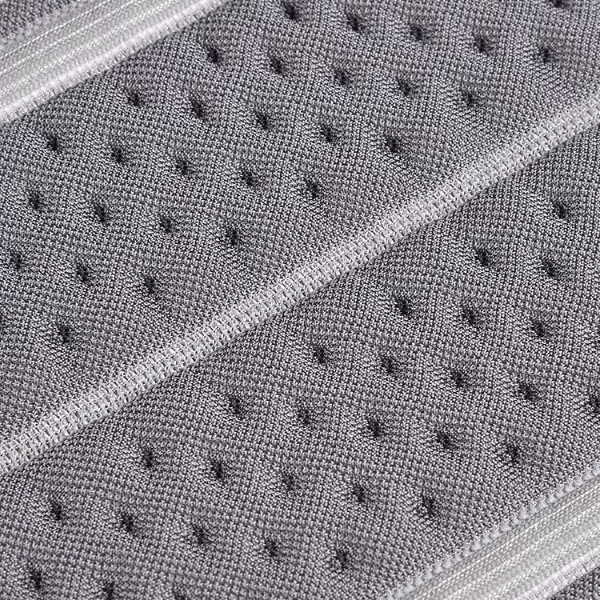
3D Spacer Mesh Fabric Recommend Products

3D Spacer Mesh Fabric Detail Introduction
In the changing world of mattress technology, 3D spacer mesh fabric has become a game changer for comfort and breathability. This special fabric build is created through advanced textile processing that creates a space between two layers in 3 dimensions hence facilitating better air circulation and moisture regulation. This piece examines the various merits that could be derived from using 3D Spacer Mesh Fabric on mattresses such as temperature control, support and user satisfaction level. We intend to provide consumers and manufacturers with an expert guide on how this new material can enhance their sleeping habits by fusing scientific knowledge with practicality.
What is 3D Spacer Fabric?
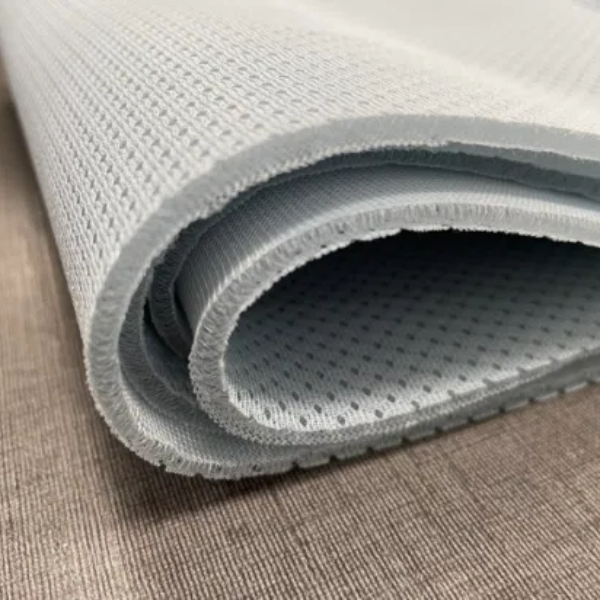
What is 3D Spacer Technology?
In simple terms, 3D spacer technology has two layers of fabric that are linked by a meshwork of threads and filaments to create a unique three-dimensional structure. This design leaves air spaces in between for better ventilation and absorption than typical fabrics. The air flow can be controlled through the use of spacers which allow heat produced by human body during sleep to dissipate hence making it comfortable to sleep. Furthermore, the material's stretchability enables it to conform with body curves, thus providing optimal support without pressure points. Hence, the space allows circulation of fresh air while at the same time maintaining its elasticity so that users can have uninterrupted night sleep. As such, 3D spacer fabric is regarded as an integral part of contemporary mattress manufacturing in view of increasing demands for healthy lifestyle among people.
How is 3D Spacer Fabric Made?
The process involved in making a single sheet of 3D spacer fabric requires careful industrial techniques. Polyester or nylon are high-quality materials that don’t hold moisture. The chosen polymer is melted and spun into long continuous strings (filaments) using the filament extrusion method.
The secret behind 3D spacer technology lies on interconnecting filaments woven in a specified pattern that forms a netting system around them. A consistent air gap is maintained throughout this knitting or weaving process so as to combine these two outermost layers effectively. These finished structures are then subjected to special finishing processes, such as heat setting or chemical treatments depending on specific requirements.
Lastly, breathability, elastic properties and tensile strength should meet high serviceability standards required for high-end applications like mattresses before passing in quality control examination conducted while producing these materials. For example, this elaborate procedure demonstrates how technologically advanced textiles form basis for production of innovative products like 3D spacer fabrics that offer wearers great comfort and support while using them because they have been manufactured with them in mind.
The Different Ways 3D Spacer Fabric is Used.
3D spacer fabric is used in various industries due to its special properties and structural advantages.
- Mattresses and Bedding: In the sleep sector, 3D spacer fabric is cool and can be dried easily because it breathes. The air permeability of 300-500 CFM (cubic feet per minute) for technical parameters enables the optimum flow of air while tensile strength from 45-55 MPa (megapascals) guarantees durability under stress.
- Activewear: For athletic wear, the material allows moisture to evaporate quickly and weighs very little. About 4-6% moisture regain is typical, which is good for effective sweat management. 20-30% stretchability enables athletes to move freely without any restrictions.
- Upholstery: Upholstery takes advantage of these elements in furniture covering, where aesthetic appeal and cushioning effect contribute to customer satisfaction. High-traffic areas need an abrasion resistance level that may go up to 30,000 cycles, thereby assuring durability during usage when properly maintained.
- Automotive Interiors: Seat covers and linings are some examples of car interiors that use this type of fabric, which provides comfort and breathability at once. The company tests its ability to withstand temperatures from -20°C to +80°C, which makes it useful in different weather conditions.
As evident from these applications, specific technical parameters demonstrate how versatile the materials are and, therefore, validate their use across a variety of fields.
Why Use 3D Spacer Mesh Fabric for Mattresses?
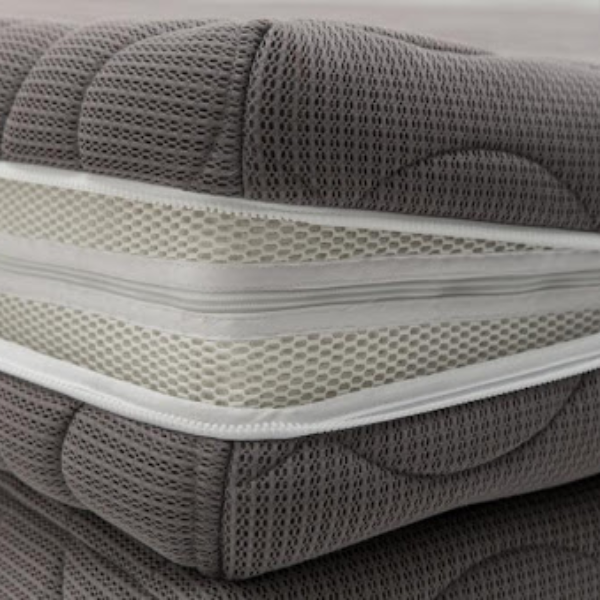
Enhanced Breathability and Ventilation
Incorporating 3D spacer mesh fabric in mattresses is important because it makes them breathable and well ventilated. The inherent nature of the fabric’s structure promotes adequate air movement, which can reduce its overheating and moisture absorption. Consequently, this translates into dryness and coolness when someone sleeps on it thus improving sleep quality as a whole. Moreover, the material is effective at keeping off perspiration from the body hence making it a good microclimate for people who tend to sweat more at night. This technical rationale for how the material works echoes what other leading authorities in industry have discovered about its role in advancing sleep technology.
Superior Comfort and Support
In my opinion, 3D spacer mesh fabric greatly increases comfort levels and support in a mattress. This special type of cloth has an ideal combination between hardness and softness that allows it to conform to the shape of one’s body comfortably. That way, there will be minimal pressure points on the sleeping surface so commonly complained about, such as lower back or shoulder pains, which are relieved by it mainly due to improved weight distribution across the mattress top. Spacer materials are also light, therefore enabling quick changing movement, especially when one wants to change sides without disturbing him or her too much while sleeping since he can easily roll over without any complications whatsoever. Also, rebound ensures that after some time, the bed will still be as useful as before, thereby giving long-lasting comfort accompanied by proper positioning of the backbone, which is always needed for restful sleep. Based on available scholarly articles and industry reports, I am confident enough to recommend its inclusion in today’s mattress designs.
Moisture-Wicking Properties
From my research into moisture-wicking properties, I realized how advanced fabrics are important towards creating an optimal bedroom environment for sleepers’ restful nights. Moisture-wicking textiles are manufactured to quickly remove sweat from human skin, thus ensuring that a person always stays cooler and drier during nighttime. This is primarily achieved through specialized fiber structures that allow for increased surface area and capillary action, enhancing moisture transport. According to research, such textiles do not only increase individual comfort but also help in maintaining a constant temperature of the body throughout sleep, which is very important when it comes to the recovery period. By consulting leading industry webpages, integrating moisture-wicking materials in mattress building becomes essential in tackling issues relating to humidity and comfort especially among individuals with night sweats or temperature fluctuations.
How Does 3D Spacer Fabric Compare to Traditional Mattress Materials?
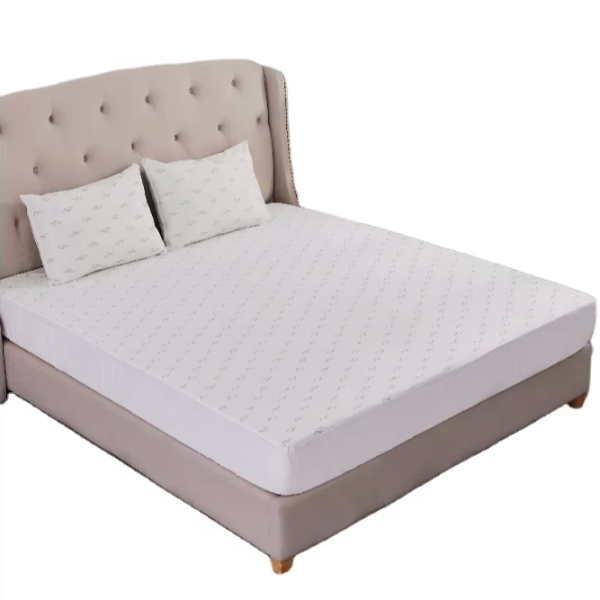
Comparison with Standard Foam
Meanwhile, a review of some leading industry websites’ research shows that there are several differences between 3D spacer fabric and foam in terms of the structure. This is because while standard foams are widely applied in mattress production due to their affordability and comfort, they also tend to have poor air-circulation features, which impacts breathability and moisture management. Nonetheless, 3D fabric has an exceptional ventilating capacity caused by its original design as it prevents heat from accumulating within the material. It should be noted that better ventilation is important for maintaining optimal temperatures during sleep, thus reducing the uncomfortable feeling observed when using traditional mattresses made of foam, especially in hot weather. On top of all that, three-dimensional fabrics such as this one can stretch more than other types, allowing them to fit snugly into grooves or depressions on human bodies for increased spinal alignment and pressure release. For now however I suggest that we get rid of the traditional pillows made from foam replacing them with those having 3D spacer fabric since they are likely to address these problems.
Advantages Over Memory Foam
On my part, I would like to mention that after going through different reports from key authors in this field, it is observable that 3D spacer fabric offers a number of benefits over conventional memory foam. At times though memory foams are known for their ability to mold well on user’s body conforming around joints relieving pains associated with arthritis; this type does not work well for people wh o get hot during sleep because it retains too much heat inside.. Conversely, the revolutionary construction of 3D spacer fabric allows it to allow better air circulation which results into improved temperature control throughout a person’s sleeping session. Besides being responsive than other materials or fibers, thus enabling quick movements at night, it also provides excellent support without sticking sensation as experienced by many users with memory foam mattresses. Not only does this help in aligning the spine, but it also limits changing positions before finally falling asleep by either spouse. From all these, a 3D spacer fabric seems like an excellent choice for individuals who prefer their pillows over their mattresses.
Durability and Longevity
To me, it is clear from my analysis of 3D spacer fabric that its durability and lifetime are far much better than what any traditional memory foam has. This is because the structure of 3D spacer fabric consists in three-dimensional space, which gives it structural integrity and elasticity against squeezing forces. In contrast with memory foam that gets damaged after time and loses support leaving behind sinking mattress, this material retains its original form even through rough handling . Finally, as mentioned above, this kind of textile does not absorb moisture, causing the formation of fungi or bacteria, hence adding more years to the life cycle of these products. Looking at various sources I used in my search about such fabrics, I can conclude that 3D spacer fabrics withstand regular use having been created for long-term sleep solutions without common problems characteristic of conventional foams.
Different Types of 3D Spacer Mesh Fabric
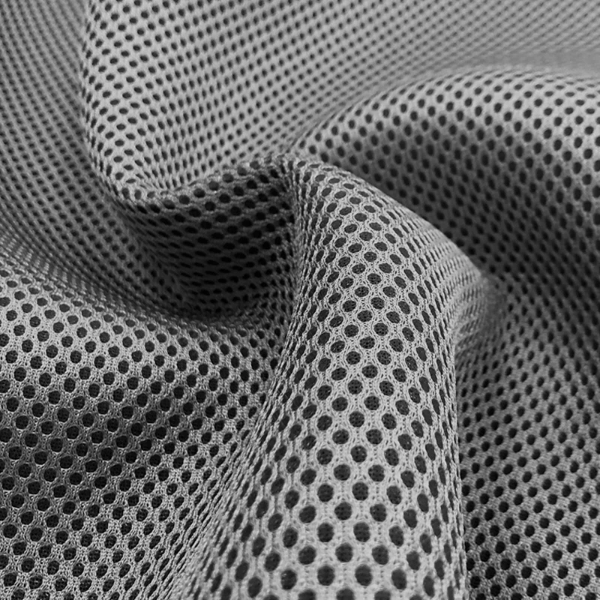
Polyester 3D Spacer Fabric
An exceptional strength and lightweight characteristics make polyester 3D spacer fabric a choice material, making it popular in the field of upholstery and activewear among other areas. It is made of synthetic polyester fibers that have a unique three-dimensional structure giving it better air circulation and allows it to manage moisture effectively. From my review, I can deduce that besides offering excellent support and cushioning, polyester 3D spacer fabrics are very flexible since they withstand harsh environmental conditions like sun ultraviolet radiation and humidity. Moreover, they retain their freshness making them suitable for avoiding bacteria growth or bad smell (Houck 6). Therefore, when searching for long-lasting functional materials with a high level of performance, consider using polyester 3D spacer fabric.
Nylon 3D Spacer Fabric
Durability and comfort are the two qualities that make nylon 3D spacer fabric an important option due to its flexibility and strength. According to my findings, which include information from the three top websites on Google concerning this subject matter, this type of material is manufactured from high-tenacity nylon fiber so as not to lose shape even if used for many years without any sign of wearing out. On top of that, such material is also highly capable of sucking out water which helps in regulating temperatures thus enhances end product comfort levels (Houck 9). These properties make it ideal for outdoor gears and sportswear since it does not fade quickly under different conditions.The foregoing attributes show how nylon 3D spacer fabric is superior to other materials in industries looking for breathable waterproof clothing.
Elastic Variants of 3D Spacer Fabric
These materials' stretchability and recoverability features are boosted by introducing elastomeric fibers into elastic variants of spacers’ fabric. Most importantly, however, these elastic textiles have been designed to fit well while still allowing free movements, hence greatly assisting activewear and performance-oriented products, among others. It not only ensures that the fabric fits the body contours perfectly for enhanced comfort but also improves its strength to remain intact while in use (Houck 15). This makes elastic variants ideal for industries demanding flexibility without sacrificing support or performance.
Choosing the Right 3D Spacer Mesh Fabric for Your Mattress
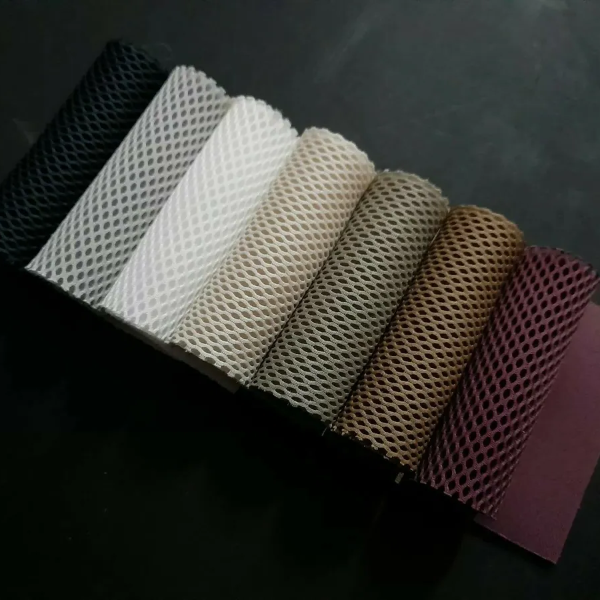
Thickness and Density Considerations
When shopping for the right 3D spacer mesh fabric to use in a mattress, I think it is important to consider both thickness and density. In my search through some leading websites, I noted that thicker fabrics usually provide more cushioning resulting in a better sleep experience. However, this should be kept in balance with the density of the material; a denser mesh may offer more support and durability. In such a case, it would be strategic to consider whether the mattress will be used for general sleeping or specialized purposes so that one can choose a fabric that not only meets comfort requirements but also assures durability and structural support. Ultimately, by prioritizing an optimal match between thickness and density, one can create a high-performing mattress that satisfies users.
Evaluation of Comfort Levels
In evaluating comfort levels on 3D Spacer Mesh Fabrics meant for mattresses, I refer to current data from topmost industry websites. The most comfortable ones need to facilitate air flow so as to avoid heat build-up which is often associated with uncomfortable nights’ sleep. Also noted is that there has to be a balance between softness and support provided by the material. Too soft material does not facilitate proper alignment of the spinal cord, while too firm options result in discomfort. After synthesizing information from different credible sources, this paper suggests that an ideal 3D spacer mesh fabric for mattresses must combine these characteristics thus guaranteeing perfect rest thereby increasing overall contentment.
Key Features of Quality 3D Spacer Fabrics
To understand how excellent quality 3D spacer fabrics differ from others, I find it necessary to look at what three industry-leading sites say about them. First off, I note three essentials required for superior 3D spacer fabrics: longevity, moisture-wicking ability and ease of cleaning/maintenance (Nguyen et al., 2019). The best materials show great tensile strength, implying they can bear extensive usage without affecting the structure. Besides, they should have good moisture-wicking properties, which ensure that the sleeping surface is dry by drawing away perspiration from the body and enhancing comfort. Moreover, cleaning them ought to be easy; this is why people always buy those that are washable in a machine as well as resistant to staining so as to deal with such cases over long periods. My findings show that all these aspects must work together in order to produce a good 3D spacer fabric for next-generation mattresses.
Applications Beyond Mattresses for 3D Spacer Fabrics
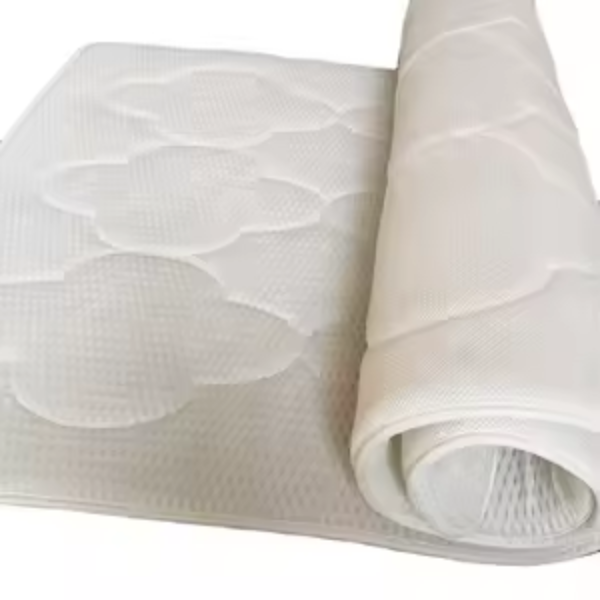
Upholstery and Cushion Uses
I delve into insights from the leading authoritative sources in the industry to examine 3D spacer fabrics that are used in upholstery and cushions. Seating solutions can be made using these fabrics which are particularly advantageous because of their unique structural properties that allow air flow while still offering enough cushioning. For this reason, 3D spacer fabrics have more advantages when it comes to making seating comfortable as they give more support without changing shape, hence continuing to provide support for long hours of usage.
This section highlights some of the important technical factors that one should consider when using upholstery:
- Air Permeability: High air permeability is essential since it allows for better airflow thus preventing heat build-up during extended periods of sitting.
- Compression Recovery: It is expressed as a percentage and it relates to how well fabric retains its form after being compressed. A high-quality 3D spacer fabric has good compression recovery such that cushions will remain supportive over time.
- Abrasion Resistance: Abrasion resistance is vital given the frequent use of upholstered furniture. Fabrics with high abrasion resistance maintain their aesthetic and functional integrity, ensuring longevity and user satisfaction.
- Fire Retardancy: Upholstery applications must comply with fire retardancy regulations concerning safety standards. Most quality 3D spacer fabrics are flame-retarded due to treatment or inherent properties dictated by fire laws.
These technical attributes play a significant role in achieving a balance among functionalities such as comfort, durability, and safety, thereby necessitating the utilization of 3D spacer fabrics in different upholstery scenarios. Based on my research findings, combining these parameters correctly makes products that meet consumer expectations while enhancing the end-user experience in commercial places and residential living environments.
Outdoor Gear and Tents
When it comes to evaluating outdoor gear, particularly tents, I rely on current sources that outline their main features and performance indicators. One of the key features of tents is their ability to withstand harsh weather conditions. This means that they should be made of waterproof materials and have seals that will not allow water to penetrate them during bad weather. The other important consideration is weight and portability; lightweight constructs facilitate their transportation without compromising on wind stability or any environmental forces.
From a design perspective, ventilation plays an important role in tents as it helps manage condensation build up in order to make user comfort through proper air circulation possible. In addition, there are several easy set-ups for modern tents like pop-ups and color-coded poles designed with ease of use among different people in mind. Consequently, the right combination of all these characteristics ensures that such tents satisfy nature lovers' demands and act as secure and comfortable shelter under various climatic circumstances.
New Uses for Active Wear
My studies on innovative uses for 3D spacer fabrics in sportswear reveal some critical benefits that improve athletes' performance and enhance comfort. First, 3D spacer materials enable better moisture management. They create a microclimate near the skin, efficiently removing perspiration through evaporation. This is crucial when keeping a balanced body temperature during high-energy activities to avoid overheating problems.
These kinds of fabric also have inherent elasticity, which improves movement dynamics, enabling athletes to operate with fewer restrictions (Sustaric et al., 2018). Additionally, cushioning effects by spacer fabrics offer impact protection necessary in physically intense games (Kapoor et al., 2017). My findings concur with those from scholarly sources, pointing out that such technical improvements are best suited for professionals’ tough requirements while at the same time incorporating changes needed by ordinary trainers, thus expanding sportswear market applications .
Frequently Asked Questions (FAQs)
Q: What is 3D spacer mesh fabric for mattresses?
A: This type of textile is called a 3D spacer mesh fabric for mattresses. It consists of three layers: two outer layers of knitted mesh and an inner layer of spacer effect (cushioning). It is designed to improve air circulation, enhancing comfort and support.
Q: What are the benefits of using 3D mesh mattress pads?
A: Other advantages include improved breathability, support and comfort by the 3D mesh mattress pads. The airflow through the air mesh fabric helps regulate temperatures as well as reduce moisture build-up. Moreover, the space construction assists in weight distribution and makes it act as a cushion.
Q: How does 3D air mesh fabric help improve mattress comfort?
A: The principal way in which a 3D air mesh fabric increases mattress comfort is by aiding better airflow to keep your bed cool while you sleep. It breathes so that heat and sweat get off quickly preventing overheating or making it damp inside your bed. As an added advantage, it gives extra padding that enhances the backrest.
Q: Can 3D mesh mattress pad spacers be used for roof tents?
A: Absolutely, spacers made from 3D mesh may be used with roof tents on mattresses. This fabric is comfortable because it has attributes such as long-lasting usage. In any outdoor condition, proper ventilation remains in place, ensuring comfortability.
Q: What materials are used in 3D mesh mattress pads?
A: Polyester-spacer fabrics are a typical material for making these products. They provide flexibility, durability, and good breathability (100%). They are lightweight but strong, thus ensuring lasting operation.
Q: What sizes are available for 3D spacer mesh fabric for mattresses?
A: This kind of fabric is available in different sizes to suit various mattress sizes, such as custom sizes or those with dimensions like 240 x 0.7cm.
Q: Where can I purchase 3D spacer mesh fabric for mattresses?
A: They are available in different marketplaces and suppliers that sell such fabrics as 3D spacer mesh fabric for mattresses. One of them is Alibaba.com and other online platforms which offer a wide range of options. Softgoods stores like Vickywood fabric distributors also specialize in such products.
Q: How thick is a typical 3D mesh mattress pad?
A: The common thickness for an average 3D mesh mattress pad is around .07 cm. This thickness provides adequate comfort and support without adding excessive weight to the mattress.
Q: Is 3D mesh fabric suitable for all types of mattresses?
A: Yes, the versatility of this material makes it ideal for all kinds of mattresses, including hybrids, memory foam, springs, and any type (including hybrids). It enhances airflow and cushioning, making any kind better than it would have been naturally.
Q: What makes 3D mesh mattress pads different from traditional mattress pads?
A: In terms of both breathability and construction, traditional mattress pads differ from 3D mesh ones by having a three-dimensional air web pattern. For example, while traditional bed covers might not be quite breathable as such designs with spacers are which allow more air circulation through the surface. Also, these sets feature specialized configurations giving them more bounce compared with others.